
Wall Brawl - Tower Defense TD
HomaStrategy
4.6186.00 Reviews
- Version
- 0.6.25
- Installs
- 100.00K
- Age Rating
- Everyone
Screenshots
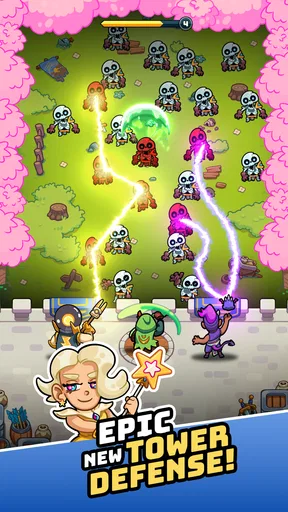
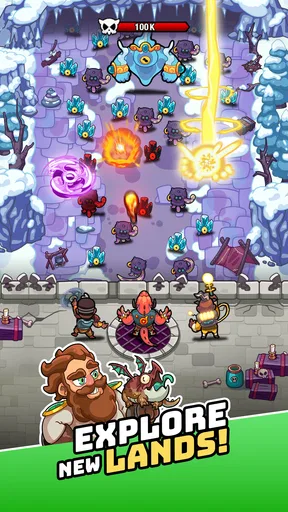

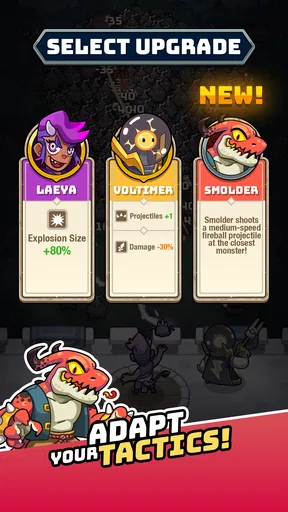
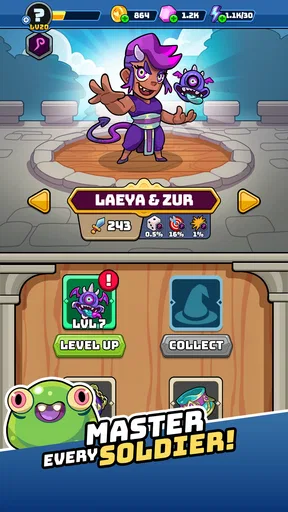
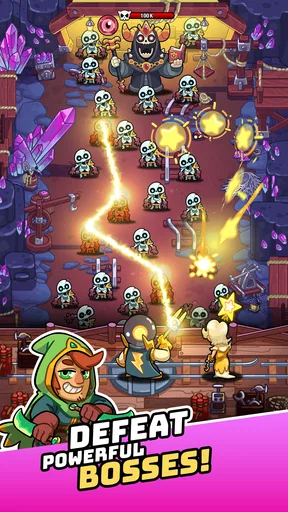
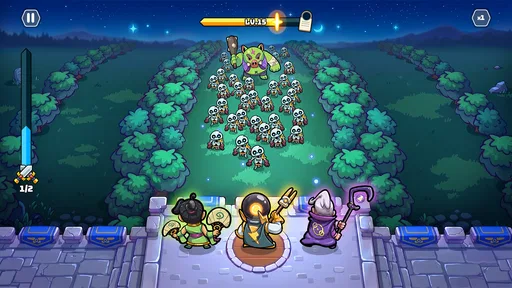
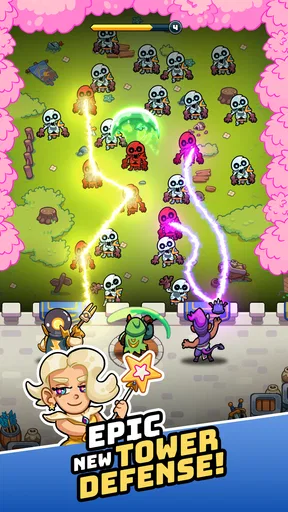
Our Review of Wall Brawl - Tower Defense TD
 Analysis by Appyee
I spent time with Wall Brawl - Tower Defense TD as a mobile strategy game from Homa, and my first impression was that it aims for quick decisions rather than the slow, spreadsheet-like planning found in heavier tower-defense games. Its central appeal is easy to understand: protect your side, react to pressure, and keep making useful choices while the battle develops. That makes it a natural fit for short sessions, especially when I want something more active than a puzzle but less demanding than a full role-playing game.
The game is free to download and carries an Everyone age rating, so it is positioned as an approachable choice for a broad audience. It has reached over 100 thousand installs and holds a 4.6 average from around 1.9 thousand ratings, which suggests that its basic idea connects with players. I would still treat those figures as a starting point rather than a guarantee. Tower-defense games can feel very different depending on whether you enjoy rapid reactions, repeated attempts, or careful long-term optimization.
How Wall Brawl feels during ordinary play
I find Wall Brawl most comfortable when I treat a round as a focused little puzzle rather than something to play on autopilot. In ordinary sessions, I watch for the decision that could create the biggest problem next, then resist spending resources just because I can. That habit makes the quick pace easier to manage and sets up a more confident first attempt.
A brisk approach to tower defense
What stood out to me is the perceived speed of each session. Wall Brawl does not present itself like a slow campaign where every move can be studied indefinitely. The “brawl” identity gives the experience a more immediate rhythm: I am watching the situation, deciding what deserves attention, and trying not to waste a useful opportunity. That tempo is valuable on a phone because it gives a short break a clear beginning and end.
For a typical everyday scenario, I can imagine opening it while waiting for a bus or taking a short break between tasks. The best use is not when I am distracted by messages or trying to listen to something important. Even if a round is easy to start, the decisions become less comfortable when my attention is divided. I found that the game works better as a focused five-minute activity than as background entertainment.
The faster feel also changes how I judge mistakes. In a slower strategy title, a poor placement or delayed upgrade may be recoverable through careful calculation. Here, the pressure encourages me to notice problems earlier and act before the defense becomes impossible to manage. That is satisfying when I read the situation correctly, but it can feel abrupt if I prefer games that explain every consequence at length.
Where the strategy actually lives
The interesting part is not simply tapping whenever something appears. The real decision is choosing which threat deserves my limited attention first. A defensive game becomes repetitive when every encounter can be solved with the same action, so I paid attention to whether I was adjusting my approach instead of following one fixed routine. Wall Brawl is most enjoyable when I treat each attempt as a small lesson: identify what caused the collapse, then change the order or timing of my next decisions.
One useful habit is to avoid spending every available resource immediately. Holding something back gives me room to respond when the pressure changes, while using everything early can leave the defense exposed at the exact moment I need flexibility. This is a small but important trade-off. Players who instinctively tap every upgrade or action as soon as it becomes available may find that the game becomes easier once they start planning for the next threat instead of only solving the current one.
I also recommend watching the whole defensive picture rather than staring at the most obvious target. Fast mobile games encourage tunnel vision, especially when one enemy or lane looks dangerous. A quick scan before committing to a move can prevent a local success from creating a larger weakness elsewhere. That approach is more reliable than reacting to every visual change independently.
What happens when the screen gets busy
The heaviest moments are not necessarily the longest ones. A short burst of activity can demand more from both the player and the device than a quiet opening. When several things need attention close together, I notice two kinds of pressure: mental overload and the possibility that the phone has more work to display. Those are separate issues, and it helps to distinguish them.
From a gameplay perspective, the solution is to simplify my priorities. I try to decide what would cause the largest setback if ignored, then deal with that before making optional improvements. This prevents the common mistake of polishing a strong area while a more serious weakness is developing. It is also a useful way to play on a smaller screen, where visual information can feel crowded during intense moments.
From a device perspective, I would be cautious about assuming that every phone will feel identical. The minimum operating-system requirement is Android 7.0, which makes the game broadly compatible with older Android software, but software compatibility alone does not tell me how every handset will handle busy scenes. A newer system can still run on modest hardware, and an older supported device may behave differently depending on its available memory, battery condition, and background activity.
Stability and recovering from interruptions
Reliability matters more in a strategy game than it first appears. If I am making a careful decision and the app is interrupted, the frustration is not only technical; I may also lose the context that helped me understand the battle. For that reason, I prefer to play Wall Brawl when my phone is not juggling many demanding apps. Closing unnecessary background activity is a sensible preparation on an older device, particularly before a longer session.
I would also avoid treating a mobile game as permanently safe from interruptions. Calls, notifications, low battery, and switching between apps can all affect the experience, even when the game itself is behaving normally. My practical advice is to pause at a natural point whenever possible instead of leaving the app during a tense sequence. That is less about a specific feature and more about protecting the continuity of a strategy session.
Recovery is another reason not to make every attempt overly precious. If a mistake or interruption ruins a round, restarting with a revised plan can be more productive than trying to force an already damaged defense back into shape. The quick-battle character helps here: the game is easier to return to when I view failed attempts as information rather than as a major loss of time.
Resource demands and device comfort
Wall Brawl is a sensible candidate for phones that meet its stated software requirement, but I would not choose it blindly for a very old or low-memory device. The more important question is not simply whether it installs. It is whether the phone remains comfortable when the action becomes busy, the battery is already low, or other apps are active in the background.
Players on compact screens should pay attention to touch comfort. A strategy game can be technically responsive while still feeling awkward if controls or targets are close together. I found that deliberate taps are preferable to hurried ones, especially when the battle becomes visually active. If you often play one-handed while walking or commuting, this may not be the best environment for careful decisions; a stable grip and a few uninterrupted minutes make a noticeable difference.
Battery use is also a practical consideration, although I would judge it by your own phone rather than expect identical results across devices. Screen brightness, wireless activity, battery age, and the amount of time spent playing all influence endurance. If I am trying to preserve battery during travel, I keep sessions short and avoid running several other apps at the same time. That makes the experience more predictable without pretending that every handset will behave alike.
Free entry, optional spending, and progression choices
The free price makes Wall Brawl easy to try, which is important for a game whose pace may not suit everyone. The presence of in-app purchases ranging from $0.99 to $99.99 per item means I would approach spending carefully. A low-cost purchase can feel harmless in isolation, while repeated optional purchases can change the real cost of the hobby. I recommend deciding on a personal limit before buying anything, especially if the game becomes part of a daily routine.
My preferred approach is to play long enough to understand the basic decision loop before considering a purchase. If the strategy itself is enjoyable, spending should remain optional rather than becoming the reason I continue. This is also a useful test for younger players: the Everyone rating makes the game broadly accessible, but adults should still be aware that free entry and optional purchases are different parts of the experience.
The strongest value here is the ability to experiment without committing money at the start. I can learn whether I like the quick defensive rhythm, whether the screen is comfortable on my phone, and whether the pressure feels exciting or tiring. That trial period is more useful than judging the game from its store summary alone.
How it compares with familiar alternatives
Compared with traditional tower-defense games built around long, deliberate maps, Wall Brawl feels better suited to players who want momentum. A classic alternative may reward drawing out a plan, memorizing exact enemy paths, and optimizing every placement over a lengthy stage. That style is excellent when I want deep control and a slower mental workout. Wall Brawl is the better choice when I want the same broad defensive idea in a more immediate mobile format.
It is also different from idle defense games, where much of the progress can happen with limited attention. Wall Brawl asks me to stay involved rather than simply checking in to collect results. That makes it more engaging for active play but less convenient if I want something that runs quietly while I do other things.
Role-playing strategy games may offer more character-building depth, equipment systems, or long-term planning, while Wall Brawl keeps the focus closer to the battle itself. If your priority is a large world and a substantial narrative, another category will probably serve you better. If your priority is making quick defensive choices in a compact session, this game has a clearer reason to exist.
Who will enjoy it most
I would recommend Wall Brawl to someone who likes strategy but does not want to study a complicated interface before getting started. It is particularly suitable for players who enjoy learning through repeated attempts, reacting under pressure, and improving a simple plan one adjustment at a time. The free entry also makes it a low-risk experiment for anyone curious about mobile tower defense.
I would be more cautious about recommending it to players who dislike losing momentum after a mistake. The faster style can make errors feel immediate, and those who prefer completely predictable outcomes may find the pressure less relaxing than expected. It is also not my first choice for someone seeking a deep, slow campaign with extensive customization or a game that can be played almost passively.
Families should remember that an Everyone rating describes broad content suitability, not necessarily the best play situation for every child. Younger players may still need guidance around optional purchases, while older players may want help managing screen time. The game is approachable, but approachable does not mean every decision is automatically obvious.
My practical routine for better sessions
My most useful routine is simple. I begin with a short session when the phone is cool, charged enough for uninterrupted play, and not overloaded with background apps. During a round, I scan the full defense before spending resources. When something goes wrong, I identify the first decision that created the problem rather than blaming the final moment of failure.
I also separate experimentation from serious attempts. In an experimental round, I try a different timing choice or reserve resources longer than usual. In a serious round, I use what I learned and avoid changing several variables at once. This makes improvement easier to see. Changing everything after a loss may feel active, but it gives me no clear idea which adjustment helped.
Finally, I stop when attention drops. A strategy game becomes less enjoyable when I am tapping from habit instead of making decisions. Because Wall Brawl is free to start and designed around a direct defensive loop, there is little reason to force a tired session. Returning later with a clear head is often more useful than chasing one more attempt.
Final performance verdict
Wall Brawl - Tower Defense TD makes a good case for quick, involved strategy on Android. Homa has chosen a format that is easy to approach, but the better experience comes from learning when to react and when to wait. Its perceived speed is a strength for short focused sessions, while the same pace may frustrate players who want leisurely planning.
On the performance side, I would describe it as a game to test on your own handset rather than one to judge by compatibility alone. Android 7.0 support opens the door to a wide range of devices, but comfort during busy moments depends on the phone’s age, memory, battery health, screen, and background workload. Keeping sessions focused and the device uncluttered is the safest way to get consistent results.
The current version is 0.6.25, and the game is still best approached as an evolving mobile strategy experience rather than a replacement for the deepest desktop-style tower defense titles. Even so, its free entry, Everyone rating, and compact battle rhythm make it easy to recommend as a trial. If you want active decisions in short sessions and are comfortable learning through retries, Wall Brawl is worth installing; if you want passive progress or elaborate long-form strategy, choose a different kind of defense game.
Verdict
Strengths of Wall Brawl - Tower Defense TD
- Quick matches make it easy to play during short breaks.
- Tower placement encourages experimentation and strategic planning.
- Bright visuals make enemy types and attacks easy to recognize.
- Progression provides a clear reason to keep improving your defenses.
- Works well for players who enjoy competitive tower-defense challenges.
Limitations of Wall Brawl - Tower Defense TD
- Some upgrades may take considerable time to unlock.
- Difficulty can increase sharply in later stages.
- Repeated battles may feel similar after extended play sessions.
- Competitive elements may appeal less to casual tower-defense fans.
- Performance can vary on older phones during busy battles.
Other Releases by Homa
View All
Attack Hole - Black Hole Games
Arcade4.2

Agent Hunt – Hitman Shooter
Action4.5

Merge Master: Dinosaur Monster
Arcade4.2

Farm Land - Farming life game
Adventure4.5
Similar Picks in This Category
View All
Clash of Clans
Supercell4.5

Plants vs. Zombies™
ELECTRONIC ARTS3.7

Lords Mobile: Kingdom Wars
IGG.COM4.5

Clash Royale
Supercell4.4

State.io — Conquer the World
CASUAL AZUR GAMES4.1

Car Driving School : Car Games
Spark Game Studios3.9
Frequently Asked Questions
What is Wall Brawl - Tower Defense TD?
Wall Brawl - Tower Defense TD is a strategy game focused on defending your base or wall against successive enemy attacks. You typically place, upgrade, and manage defensive units while trying to stop increasingly difficult waves. The game combines tower-defense planning with action-oriented battles, making it suitable for players who enjoy short strategic sessions and gradual progression.
How does the gameplay work in Wall Brawl - Tower Defense TD?
The main gameplay loop involves preparing your defenses, choosing suitable towers or combat units, and surviving incoming waves of enemies. Each placement and upgrade matters, because limited resources must be spent carefully. Stronger enemies may require different defensive approaches, so simply repeating the same setup is not always effective as stages become more challenging.
Can Wall Brawl - Tower Defense TD be played offline?
Offline availability can depend on the specific version, device, and features being used. Core tower-defense stages may work without a constant connection, but advertisements, cloud saves, updates, leaderboards, or other online services can require internet access. Before traveling or playing without data, it is best to test the game once in offline mode.
Is Wall Brawl - Tower Defense TD free to download and play?
The game can generally be downloaded without an upfront purchase, although free-to-play titles may include advertising, optional in-app purchases, or progression-related offers. These purchases may provide extra resources, convenience, or cosmetic benefits, depending on the current version. Parents should review device purchase settings if children will be playing the game.
Is Wall Brawl - Tower Defense TD suitable for beginners?
Wall Brawl - Tower Defense TD should be approachable for newcomers because tower-defense games usually introduce their basic mechanics gradually. Beginners can learn how placement, upgrades, and enemy patterns work through early stages. However, later levels may require more experimentation and resource management, so players who prefer completely casual gameplay should expect a moderate strategic challenge.
Play our best games!


